Practical Tips for Smooth and Consistent Lamination Results
Air bubbles are one of the most common problems during digital print lamination. They can affect the appearance of finished graphics and may lead to additional production time, wasted materials, and rework.
To prevent air bubbles when laminating digital prints, operators need to control three key areas: surface preparation, laminator settings, and material handling. Proper cleaning, suitable roller pressure, correct alignment, and controlled lamination speed help achieve smoother and more consistent results.
For professional applications such as signs, vehicle graphics, display panels, and large-format prints, bubble-free lamination depends on both operating technique and reliable laminating equipment.
Why Do Air Bubbles Appear During Lamination?
Air bubbles occur when the laminate film does not achieve complete contact with the printed surface.
Common causes include:
- Dust or contamination between materials
- Uneven roller pressure
- Incorrect film alignment
- Excessive lamination speed
- Uneven film tension
- Unsuitable material combination
Even small particles on the surface can prevent proper adhesive contact and create visible defects after lamination.
For digital prints, the condition of the printed material is also important. Prints should be properly prepared before lamination to avoid problems caused by unstable ink layers or surface conditions.
1. Prepare the Print and Surface Before Lamination
A clean working environment is the first step toward bubble-free results.
Before processing:
- Remove dust from the print surface
- Check that the material is dry and ready for finishing
- Clean the laminator rollers
- Avoid touching adhesive surfaces unnecessarily
- Confirm that the laminate matches the application
For large-format graphics, small contaminants become more noticeable because they create raised areas beneath the laminate film.
Proper preparation reduces the chance of trapped air and improves adhesive contact.
2. Adjust Roller Pressure for Different Materials
Roller pressure plays an important role in lamination quality.
The purpose of pressure is to create uniform contact between the laminate adhesive and the printed surface.
Different materials may require different pressure settings because of variations in:
- Material thickness
- Surface structure
- Flexibility
- Laminate type
Too little pressure may result in incomplete contact, while excessive pressure may affect certain substrates or cause material deformation.
A laminator with adjustable pressure control allows operators to adapt settings according to different applications.
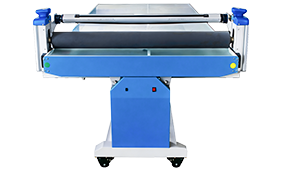
MEFU flatbed laminators are designed to provide controlled pressure application, helping users achieve more consistent results when processing different digital printing materials.
3. Control Lamination Speed and Material Feeding
Lamination speed affects how smoothly the material passes through the rollers.
If the speed is too high, operators may have less control over alignment and air removal during application.
A controlled speed setting helps improve consistency when handling:
- Large-format graphics
- Flexible films
- Printed boards
- Different laminate materials
Correct material feeding is equally important.
Before starting:
- Align the leading edge properly
- Keep the material straight
- Maintain even tension
- Avoid wrinkles entering the roller area
Stable feeding reduces the possibility of trapped air and uneven bonding.
4. Keep Rollers Clean and Properly Maintained
The condition of the laminator directly affects finishing quality.
Dirty or damaged rollers may contribute to:
- Uneven pressure
- Repeated surface marks
- Poor edge bonding
- Wrinkles and bubbles
Regular maintenance helps maintain stable production conditions.
Operators should check:
- Roller surface cleanliness
- Roller alignment
- Pressure settings
- Material feeding performance
A well-maintained laminator provides more predictable results during daily production.
5. Choose the Right Laminator for Your Application
Different production environments require different laminating solutions.
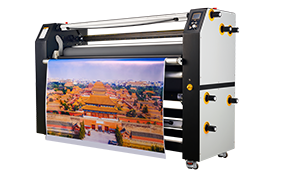
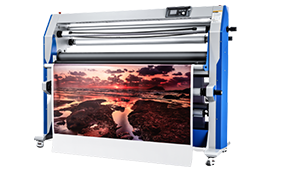
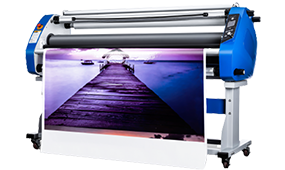
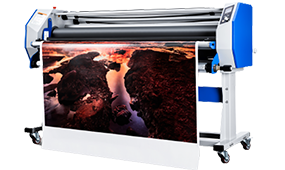
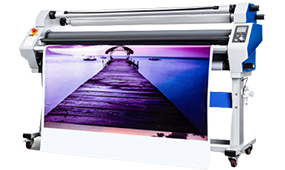
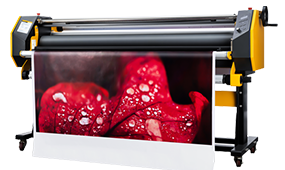
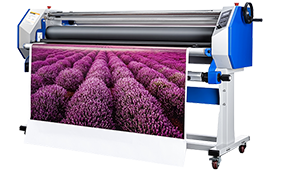
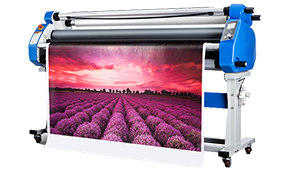
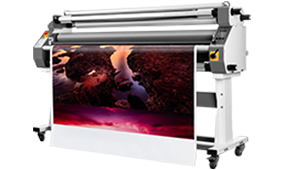
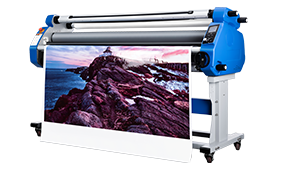
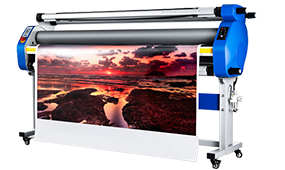
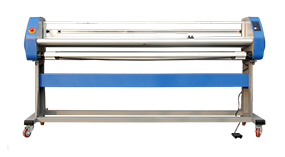
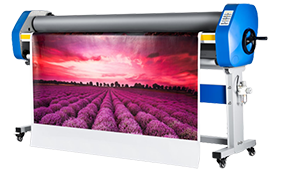
A roll laminator is commonly used for continuous processing of flexible materials such as vinyl graphics, banners, and films.
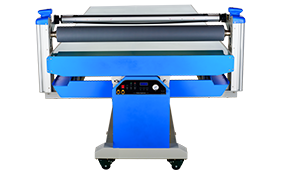
A flatbed laminator is suitable for applications involving rigid substrates, boards, and large-format panels.
MEFU provides both roll laminator and flatbed laminator solutions for digital printing applications, helping businesses select equipment based on their materials, workflow, and production requirements.
The right machine does not simply increase speed. It provides better control over the finishing process.
Bubble-Free Lamination Checklist
Before starting a lamination job, check:
✓ Print surface is clean and prepared
✓ Laminate and substrate are compatible
✓ Material is correctly aligned
✓ Roller pressure is suitable
✓ Lamination speed matches the application
✓ Rollers are clean and properly adjusted
✓ A test section has been checked before full production
Frequently Asked Questions
Why do bubbles appear under laminate?
Bubbles usually occur because air becomes trapped between the laminate and print surface. Common causes include dust, uneven pressure, poor alignment, incorrect speed, or unsuitable materials.
Can a laminator completely eliminate air bubbles?
A professional laminator improves pressure control and process consistency, but proper material preparation and correct operation are still necessary.
What laminator features help reduce bubbles?
Adjustable pressure control, speed adjustment, stable rollers, and reliable material feeding help operators achieve more consistent lamination results.
Final Thoughts
Preventing air bubbles in digital print lamination requires controlling the entire finishing process.
Clean materials, correct machine settings, proper alignment, and suitable equipment all contribute to smoother results.
For professional printing companies, choosing a reliable flatbed laminator or roll laminator with adjustable operating controls can help create a more stable and repeatable lamination workflow.
The goal is not only to avoid bubbles, but to produce finished graphics with consistent appearance and long-term performance.


 Premium Series