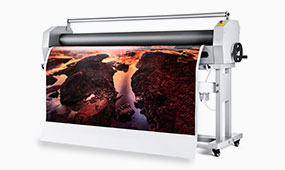
Key Factors to Consider Before Purchasing a Laminating Machine
Choosing a wide format laminator for digital printing is an important decision for professional print businesses. The right machine should not only meet current production requirements but also support different materials, applications, and future workflow needs.
A laminator is a key part of the finishing process for products such as signs, vehicle graphics, banners, retail displays, and large-format prints. Instead of choosing a machine based only on size or speed, businesses should evaluate several factors that influence daily production performance.
The main factors to consider when selecting a wide format laminator include working width, material compatibility, pressure control, speed control, and how the machine fits into the overall production workflow.
1. Working Width: Match the Laminator to Your Applications
The working width of a laminator determines the size of graphics that can be processed efficiently.
For digital printing companies, the correct working width affects:
A machine that matches common print sizes allows operators to process jobs more smoothly without additional adjustments.
For example:
-
Sign manufacturers may handle banners, vinyl graphics, and display materials.
-
Vehicle graphic producers may require wider processing capability for large printed panels.
-
Advertising companies may work with different graphic sizes depending on customer requirements.
However, a wider laminator is not always the best choice. Businesses should consider their actual production needs, available workspace, and future application plans.
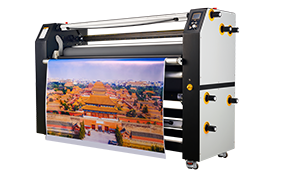
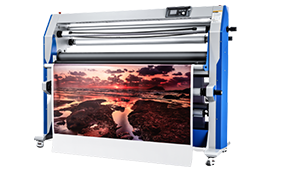
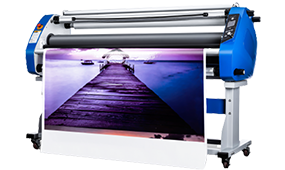
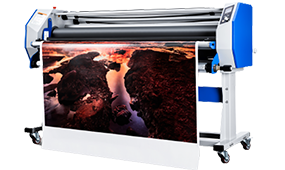
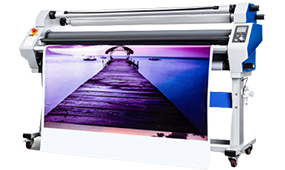
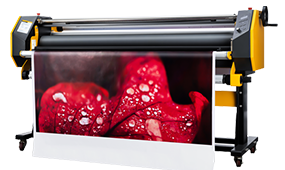
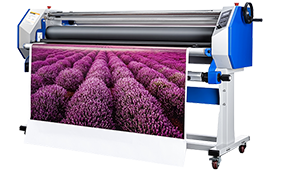
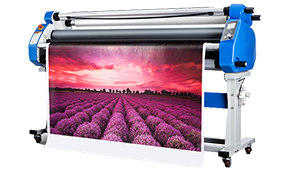
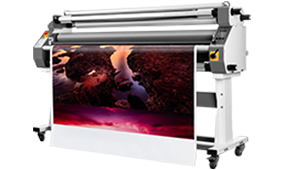
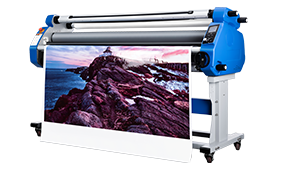
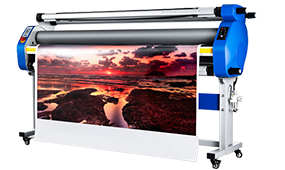
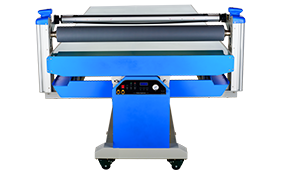
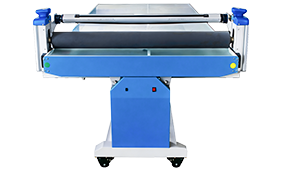
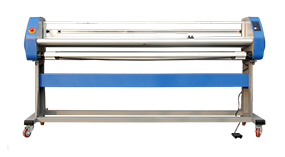
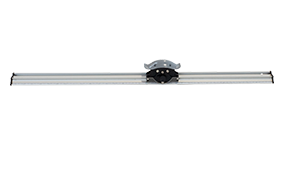
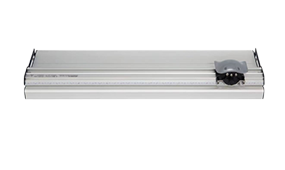
MEFU provides wide-format laminating solutions, including roll laminators and flatbed laminators, designed for different digital printing applications.
2. Material Compatibility: Consider Your Daily Production Materials
A digital printing laminator should match the materials used in everyday production.
Common materials include:
Different materials may require different handling conditions because of variations in:
-
Thickness
-
Surface structure
-
Flexibility
-
Adhesive characteristics
For example, vinyl graphics require smooth feeding and stable pressure, while rigid boards may require different processing methods.
Before selecting a laminator, businesses should evaluate:
-
What materials are currently used?
-
What applications may be added in the future?
-
Does the machine support both flexible and rigid materials?
Material compatibility is often more important than choosing equipment based only on production speed.
3. Pressure Control: Improve Lamination Consistency
Pressure control plays an important role in achieving consistent lamination results.
During the process, the rollers need to create uniform contact between the laminate and printed surface.
Different materials may require different pressure settings due to differences in:
-
Media thickness
-
Surface characteristics
-
Laminate type
A laminator with adjustable pressure control allows operators to adapt the machine for different applications.
The goal is not maximum pressure, but the correct pressure for each material combination.
MEFU laminators are designed with adjustable operating settings to help users manage different media requirements and maintain stable finishing quality.
4. Speed Control: Balance Efficiency and Quality
Production speed affects both workflow efficiency and finishing consistency.
Different jobs may require different operating speeds depending on:
-
Material type
-
Graphic size
-
Application requirements
-
Desired finish quality
For high-volume production, efficient processing may be important. For complex or high-value graphics, more controlled operation may be preferred.
A laminator with adjustable speed control gives operators greater flexibility when handling different production tasks.
5. Operator Workflow: Choose Equipment That Fits Your Process
A laminator should work as part of the complete digital printing workflow.
A typical production process includes:
Printing
↓
Print preparation
↓
Lamination
↓
Cutting and finishing
↓
Installation or delivery
When selecting equipment, businesses should consider:
-
Ease of operation
-
Adjustment convenience
-
Maintenance requirements
-
Operator training
A machine that fits naturally into the production process can help improve daily efficiency and maintain consistent results.
Wide Format Laminator Selection Checklist
Before investing in a laminator, consider:
✓ Does the working width match your common applications?
✓ Can the machine process your main materials?
✓ Does it provide adjustable pressure control?
✓ Can operators adjust lamination speed?
✓ Does it fit your current production workflow?
✓ Can it support future business growth?
Why Choose MEFU Wide Format Laminating Solutions?
For digital printing companies, choosing the right laminator means finding equipment that matches real production requirements.
MEFU offers roll laminator and flatbed laminator solutions designed for different wide-format printing applications.
By considering working width, material compatibility, pressure adjustment, speed control, and workflow integration, businesses can select a laminating solution that supports stable production and consistent finishing quality.
The best laminator is not simply the largest or fastest machine. It is the machine that fits your materials, applications, and production goals.


 Premium Series