
About
Roll Laminator
Flatbed Applicator
Cutting Machine
Consumables
Gallery
Creation
Home > About > Creation

Flatbed Laminator vs Roll Laminator: Which Laminating Solution Fits Your Printing Business?

2026-07-28 14:29:26
Share:
Choosing the right laminator is an important decision for digital printing companies. When comparing a flatbed laminator vs roll laminator, the key question is not which machine is better, but which laminating solution matches your materials, applications, and production workflow.

Different printing businesses handle different types of media. A company producing vehicle graphics and banners may need a different laminating solution from a company manufacturing rigid signage, display panels, or exhibition graphics.

A roll laminator is generally designed for flexible roll materials such as vinyl, films, and banners, while a flatbed laminator is designed for rigid substrates and flat-sheet applications.

Understanding these differences helps businesses invest in equipment that supports their actual production requirements.


Understanding the Difference Between Flatbed Laminators and Roll Laminators


Although both machines are used to apply protective films and improve the durability of printed graphics, they are designed around different production methods.

The main difference is how materials are handled during the lamination process.

A roll laminator processes materials through rollers, making it suitable for continuous roll-based production.

A flatbed laminator uses a flat working surface to support rigid or sheet materials during lamination.

The choice between the two depends mainly on:

1. Material type
2. Graphic applications
3. Production workflow
4. Finishing requirements


What Is a Roll Laminator?


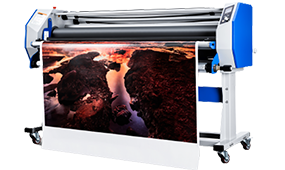
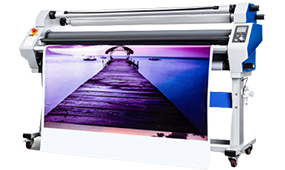
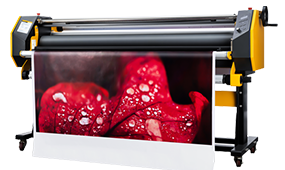
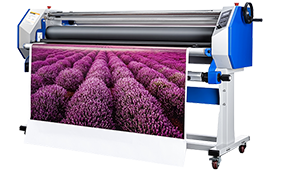
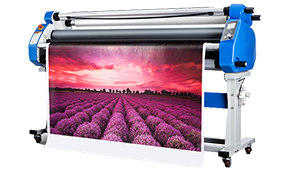
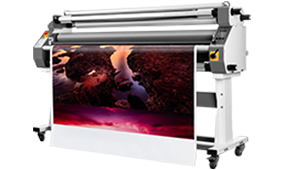
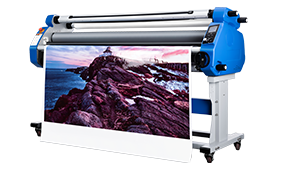
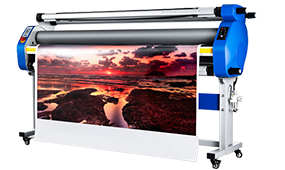
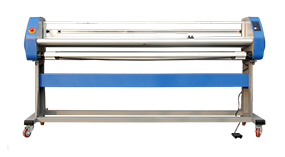
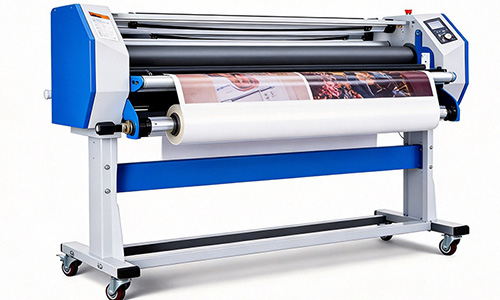
                 Premium Series Roll Laminator MF1700-A1 PRO

A roll laminator is designed for processing flexible materials supplied in roll format.

Common applications include:

1. Vinyl graphics
2. Vehicle wraps
3. Banners
4. Adhesive films
5. Outdoor graphics
6. Promotional materials

Because flexible media is often produced in long lengths, roll laminators are widely used in sign production and digital printing environments.

Why Choose a Roll Laminator?

Continuous Material Processing

One of the main advantages of a roll laminator is its ability to process long-format materials efficiently.

For businesses producing:

1. Multiple vinyl graphics
2. Large advertising prints
3. Flexible signage

a roll-based workflow can simplify material handling and improve production organization.

Suitable for Flexible Media

Flexible materials require smooth feeding and consistent contact between the laminate and printed surface.

Roll laminators are designed around this type of application, allowing operators to process different flexible media depending on production requirements.

Typical users include:

1. Sign shops
2. Vehicle graphic producers
3. Advertising companies
4. Digital printing businesses

For companies focusing mainly on flexible printed materials, a roll laminator is often a practical choice.

MEFU provides roll laminating solutions designed for wide-format printing applications where flexible media processing and workflow efficiency are important considerations.


What Is a Flatbed Laminator?


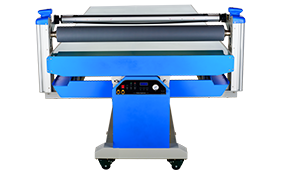
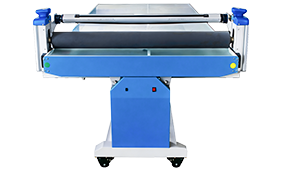
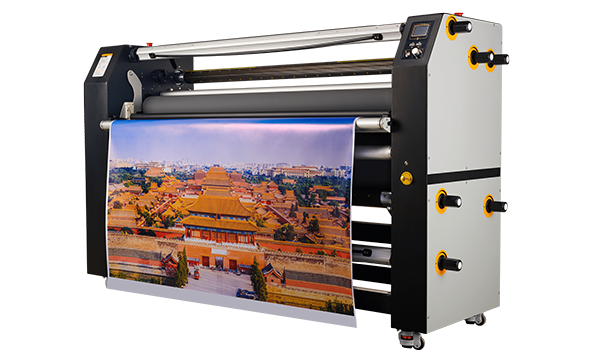
                          Flatbed Laminator
Premium MF-B4

A flatbed laminator is designed for materials that require a flat supporting surface during lamination.

Common applications include:

1. Rigid sign boards
2. Display panels
3. PVC sheets
4. Exhibition graphics
5. Specialty substrates

Unlike roll-based systems, flatbed laminators are designed to handle flat materials that may not be suitable for continuous roll processing.


Why Choose a Flatbed Laminator?


Designed for Rigid Substrates

Many printing businesses produce applications that involve rigid materials.

Examples include:

1. Indoor display boards
2. Retail panels
3. Custom signage
4. Decorative printed surfaces

A flatbed laminator provides a working method suitable for these applications.

Stable Handling of Flat Materials

Rigid substrates require different handling compared with flexible films.

The flat working area allows operators to position and process materials that need stable support during lamination.

For businesses producing customized projects or rigid displays, a flatbed laminator can provide a suitable finishing solution.

MEFU flatbed laminators are designed for applications requiring controlled processing of flat and rigid substrates.


Flatbed Laminator vs Roll Laminator: Key Differences

 
Comparison Factor Flatbed Laminator Roll Laminator
Main Material Type Rigid substrates Flexible roll media
Material Format Sheets and boards Rolls and films
Processing Method Flat surface lamination Roller-based lamination
Common Applications          Panels, displays, rigid signage          Vinyl, banners, vehicle graphics     
Production Style Custom and specialty projects Continuous media production


Why Choose MEFU Laminating Solutions?


Different printing businesses require different finishing solutions.

MEFU provides both roll laminators and flatbed laminators to support a variety of wide-format printing applications.

By selecting the right laminating equipment based on materials, applications, and workflow requirements, businesses can create a more efficient finishing process.

Whether your production focuses on flexible media or rigid substrates, choosing the correct laminator is an important step in building a reliable digital printing workflow.

Final Thoughts

The choice between a flatbed laminator and a roll laminator should start with your production needs.

If your business mainly handles flexible materials such as vinyl, banners, and vehicle graphics, a roll laminator may better match your workflow.

If your applications involve rigid boards, display panels, and flat substrates, a flatbed laminator may provide the required processing capability.

By understanding your materials, applications, and workflow requirements, you can select a laminating solution that supports consistent finishing quality and long-term production needs.
Hot Products
Relevant News