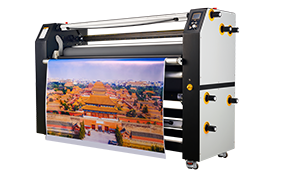
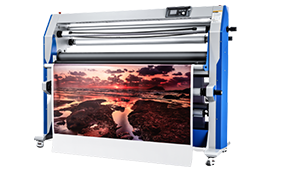
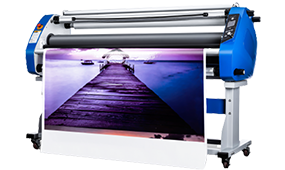
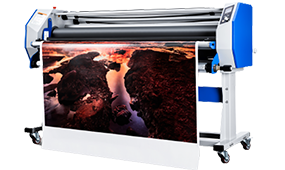
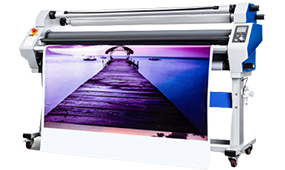
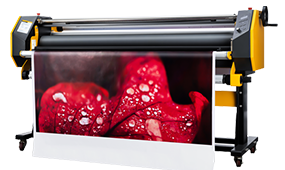
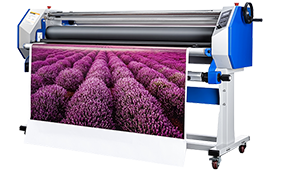
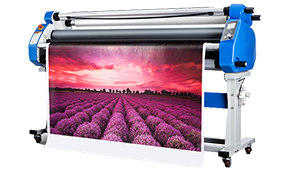
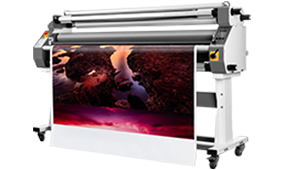
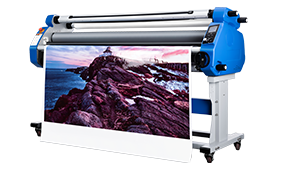
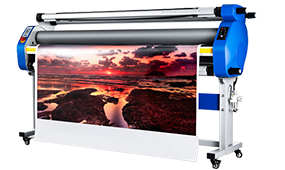
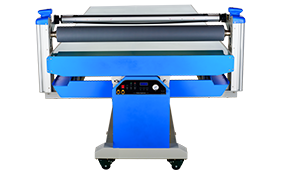
In the large-format printing, signage, and graphic finishing industries, post-print processing remains a major bottleneck. Traditional manual mounting—applying vinyl, protective films, or printed graphics onto rigid substrates like acrylic or foam board—frequently leads to air bubbles, wrinkles, stretch deformation, and costly material waste. As customer demands for high-precision finishing grow, sign makers and digital printing facilities can no longer rely on inconsistent, labor-intensive manual methods.
To resolve these bottlenecks, modern finishing workflows are transitioning toward automated, pressure-controlled workstations. Leading manufacturers like MEFU offer specialized Flatbed Application Tables designed to standardize the mounting process, eliminate high-risk rework, and allow a single operator to achieve flawless, repeatable results in minutes.
What Is an Application Table?
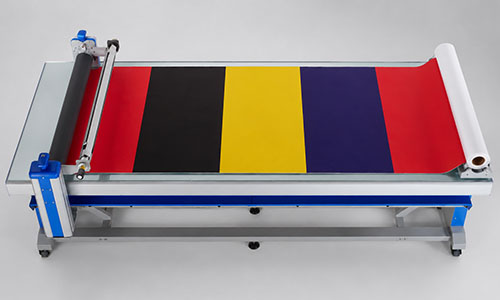
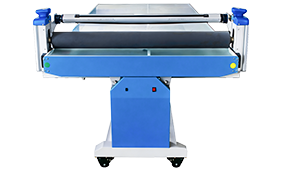
An Application Table is a specialized workstation designed for applying graphics, films, vinyl, and laminating materials onto flat surfaces. It provides a controlled environment where materials can be positioned, aligned, and applied with greater accuracy.
Unlike a standard working table, an application table is designed specifically for graphic mounting and finishing processes. Depending on the machine design, it may include features such as:
Large Flat Working Surface
Tilted Table Design & Safety Glass
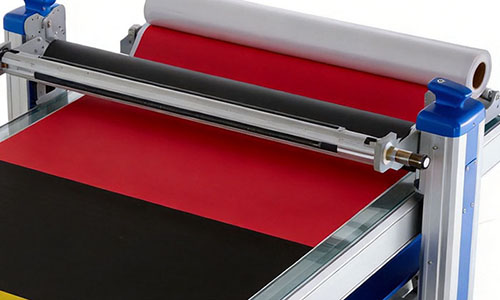
130mm Silicone Roller for Consistent Pressure
Adjustable Pressure Control with Pneumatic Lifting System
Optional Side Trays for Improved Workflow
For businesses working with large-format graphics, an application table helps operators achieve cleaner results while reducing the difficulty of manual application.
Understanding the Key Components of a Flatbed Application Table
A professional Flatbed Application Table combines multiple design features to support accurate positioning, smooth lamination, and efficient handling of different substrates. Understanding these key components can help users select the right solution for their production needs.
Large Flat Working Surface
A large and stable working surface provides sufficient space for handling large-format materials with accurate positioning.
An illuminated table is especially useful for applying multicolored or translucent graphics, helping operators improve visibility and achieve more precise application results.
Tilted Table Design & Safety Glass
A tilted table design provides a more comfortable operating angle and improved visibility during application.
Combined with safety glass, this design supports hybrid laminating applications for both rigid and flexible media while maintaining a stable working environment.
130mm Silicone Roller
The roller system directly affects application quality.
A heavy-duty 130mm silicone roller provides consistent pressure during lamination and mounting processes, helping reduce air bubbles and achieve smoother surface contact.
Adjustable Pressure Control
Different materials require different application pressure.
The pneumatic lifting system allows adjustable pressure control, providing smoother operation and stable pressure application for various substrate thicknesses.
Optional Side Trays
Optional side trays provide additional space for media preparation and storage, helping operators manage materials more efficiently during production.
Flatbed Application Table vs Traditional Laminator: What's the Difference?
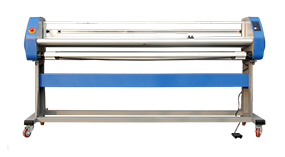
Although both flatbed application tables and laminators are used in graphic finishing, they serve different purposes.
| Feature |
Flatbed Application Table |
Traditional Laminator |
| Working method |
Flat surface application |
Roll feeding system |
| Main application |
Mounting and positioning |
Continuous lamination |
| Suitable materials |
Rigid boards and panels |
Flexible rolls and films |
| Operation focus |
Precision and alignment |
Speed and continuous processing |
| Typical industries |
Sign making, displays, printing |
Roll media production |
A traditional laminator is usually designed for continuous processing of flexible materials, while a flatbed application table is more suitable for large flat substrates that require accurate positioning.
For companies handling rigid materials, choosing the right equipment depends on the type of application, production volume, and required finishing quality.
Why Choose a Flatbed Application Table for Your Production?
A professional Flatbed Application Table can provide several advantages for businesses that require consistent graphic mounting and lamination results.
1. Improved Application Accuracy
Accurate positioning is critical when applying graphics onto panels or boards.
A stable working platform helps operators:
Align materials correctly
Reduce positioning errors
Maintain consistent application quality
For professional users, MEFU flatbed application tables are designed to support precise material alignment and controlled application processes.
2. Smoother Bubble-Free Application
Air bubbles and wrinkles are common problems during manual graphic application.
A suitable application table helps improve:
Surface contact
Pressure consistency
Overall finishing quality
This is especially important for large graphics where small imperfections can become highly visible.
3. Better Handling of Large-Format Materials
Large boards and panels can be difficult to process manually due to their size and weight.
Flatbed application tables provide:
Larger working areas
More stable material support
Easier operation for large-format projects
These advantages make them suitable for companies producing signs, displays, and decorative panels.
Key Features to Consider When Buying an Application Table
Choosing the right Application Table requires consideration of several factors.

Working Size

The table size should match the maximum substrate dimensions used in production.

Important considerations include:

Maximum board size

Available workspace

Future production requirements

Common working sizes vary depending on application needs, from compact models for small workshops to large-format solutions for industrial production.

Material Compatibility

Before purchasing, users should consider the types of materials they process.

Important questions include:

What substrate thickness is required?

Are rigid boards or flexible materials being used?

What types of films or graphics need to be applied?

Understanding material requirements helps ensure better equipment selection.

Surface Stability and Flatness

A reliable working surface is essential for accurate application.

Important factors include:

Table flatness

Structural stability

Long-term durability

A stable platform helps maintain consistent results during repeated production processes.

Operation Method

Different production environments may require different operating methods.

Options may include:

Manual operation

Semi-automatic systems

Customized solutions

Manufacturers such as MEFU provide application table solutions designed according to different working sizes, substrate requirements, and production environments.

Choosing the right Flatbed Application Table can help businesses improve application quality, reduce manual errors, and create more consistent finishing results.
With experience in flatbed application solutions, MEFU provides professional application tables designed for different production requirements, helping customers achieve reliable performance in graphic mounting and lamination applications.


 Premium Series