
Technical Deep Dive: The Science of Industrial Pneumatic Lamination—A Case Study of the MEFU MF1700-F1
2026-02-06 16:16:58
Share:
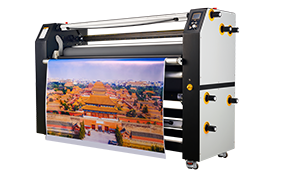
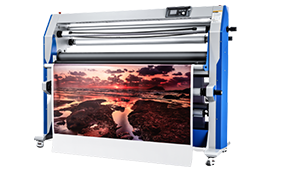
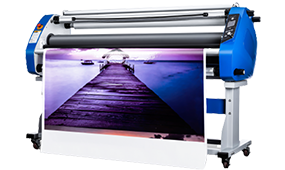
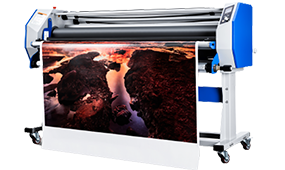
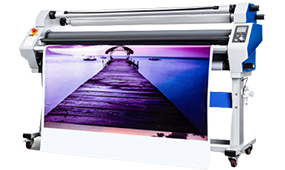
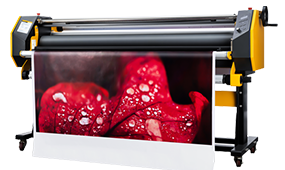
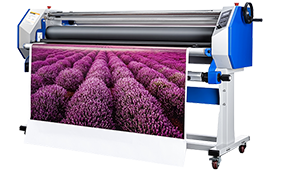
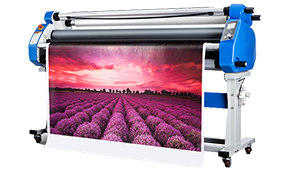
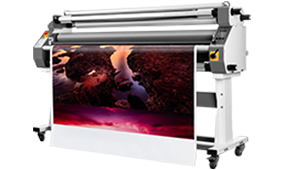
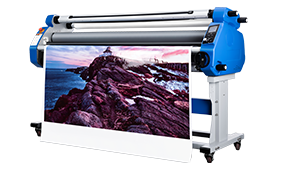
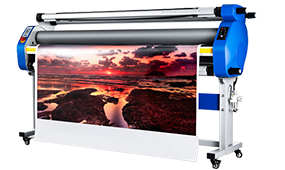
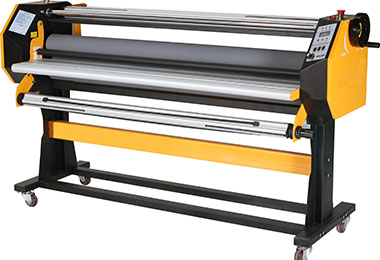
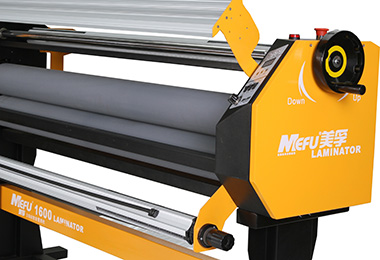
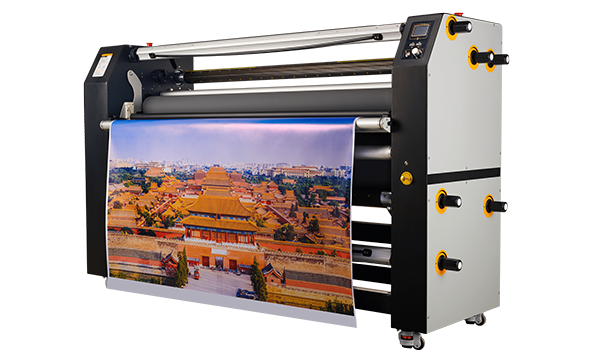
In the post-processing of wide-format printing, the performance of the laminator determines the final quality of the product. As a recognized benchmark in the industry, the MEFU MF1700-F1 demonstrates how pneumatic pressure technology solves real-world production challenges through physics. This article breaks down the core technology to help you understand the logic behind professional-grade lamination.
1. The Logic of Constant Pressure: The Secret of the F1’s Air Cylinders
Most operators assume that "more pressure is better," but technical supervisors know that consistency is more important than raw force.
The Mechanism: The MF1700-F1 utilizes a synchronized dual-cylinder system. Unlike manual screw-crank systems, the downward pressure is regulated by compressed air.
The Science: Regardless of microscopic thickness variations in the substrate (such as PVC boards), the cylinders act like a vehicle's "air suspension," providing real-time floating feedback. This ensures there are no invisible gaps between the film and the media, eliminating bubbles at the source.
2. Heat-Assist: Improving Adhesive Molecular Flow
A key feature of the MF1700-F1 is its heated top roller, which can reach up to 60°C (140°F). From a technical perspective, this serves two vital functions:
Eliminating "Silvering": Cold lamination adhesives have slight textures at room temperature. By applying gentle heat, the MF1700-F1 reduces the viscosity of the glue, allowing it to instantly flow into the texture of the print.
Moisture Management: In humid regions like Southeast Asia, the heated roller evaporates trace amounts of moisture on the media surface, ensuring a molecular-level bond between the adhesive and the material.
3. Anti-Skewing Engineering: Mechanical Balance at 1630mm Width
For a 50-meter roll-to-roll job, the biggest risk is "walking" or skewing. How does the MF1700-F1 maintain a straight line across its 1.63m (64'') width?
Total Control: The machine is equipped with aluminum alloy tension-adjustment shafts.
Mechanical Symmetry: The pneumatic system ensures that the pressure deviation between the left and right sides of the roller is less than 0.01%. Combined with high-precision roller grinding, the material experiences perfectly symmetrical force, allowing for 100-meter runs without deviation.
4. Efficiency and Safety: Industrial Human-Machine Interface
Single-Operator Efficiency: The MF1700-F1 features a rear control panel and foot pedal. This isn't just for convenience; it allows the operator to monitor lamination quality from different angles, significantly reducing waste rates.
Safety Light Curtain: Given the high force of pneumatic pressure, the F1 comes standard with laser safety sensors. These can stop the machine instantly if an obstruction is detected—a fundamental requirement for modern industrial safety standards.
Technical Expert Q&A
Q: Why does the MF1700-F1 use a 130mm diameter high-density roller?
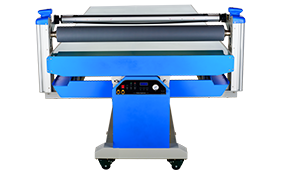
A: The roller diameter determines the "Nip Point" (the contact area). The F1’s large-diameter roller provides a wider contact zone. This means that at the same pressure level, the force is distributed more evenly, preventing the crushing of fragile honeycomb or foam boards.
Q: Are the air supply requirements for the F1 demanding?
A: Not at all. The MF1700-F1 is designed with a precision filter and pressure regulator. A standard, small, silent air compressor is sufficient because the system uses air to maintain pressure via a static load, rather than continuously consuming high volumes of air.
Q: What is the significance of the 28mm (1.1'') maximum lamination thickness?
A: This allows the machine to handle much more than just stickers. It can process thick acrylic, PVC flooring, or even wood panels, dramatically expanding the service offerings of a professional print shop.