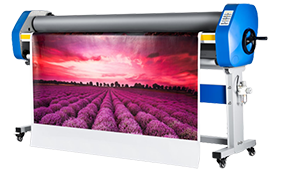
Problem Background – Why Lamination Defects Are Common in Signage Production
In outdoor advertising and vehicle wrap production, the signage laminator machine is a core finishing system used to protect printed graphics and enhance weather resistance. However, a persistent issue in real production environments is the uneven pressure laminator problem, which leads to bubbles, wrinkles, and inconsistent surface bonding.
In applications such as vehicle wraps, wall graphics, and large-format signage, materials like PVC vinyl, laminate films, and coated substrates are highly sensitive to pressure variation. Even minor inconsistencies during lamination can directly affect visual uniformity and long-term durability.
Technical Causes – Core Sources of Uneven Pressure
Uneven pressure in lamination systems typically originates from three main technical factors:
1. Mechanical roller structure limitations
Spring-loaded or mechanically adjusted roller systems may gradually lose alignment precision during long-term operation, causing uneven force distribution across the media width.
2. Web tension instability in roll-to-roll workflows
In continuous production, fluctuations in feed and rewind tension can amplify local pressure imbalance, especially during high-volume signage output.
3. Roller surface wear and elasticity degradation
Conventional rubber rollers may harden or deform over time, reducing contact uniformity and increasing defect rates.
These factors collectively reduce output consistency in traditional signage laminator machines.
Engineering Solution – MEFU Pneumatic Roll-to-Roll Laminator System
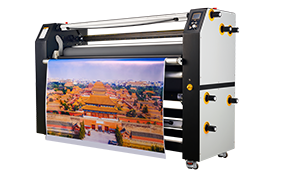
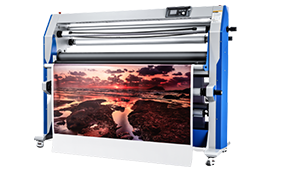
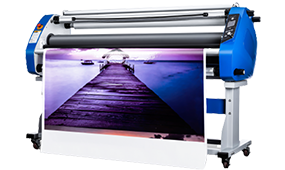
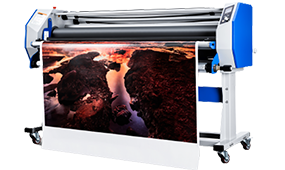
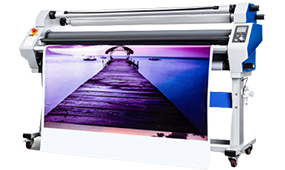
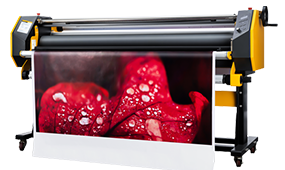
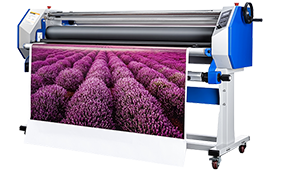
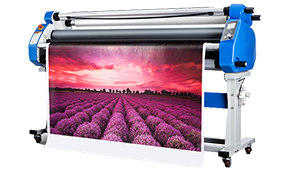
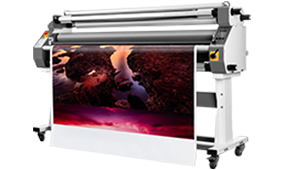
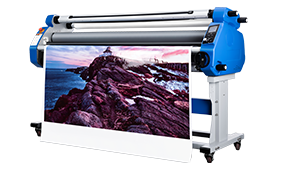
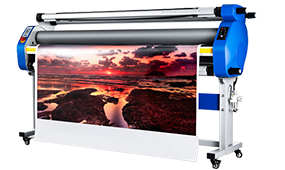
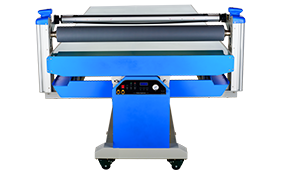
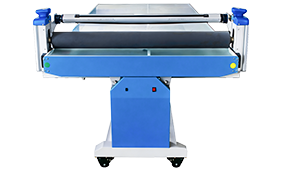
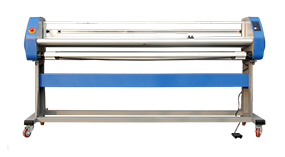
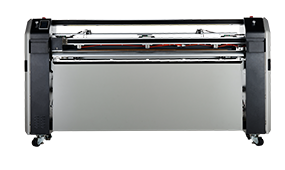
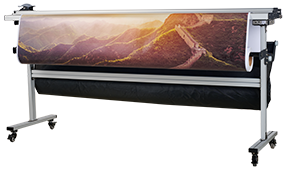
To address these issues, industrial users increasingly adopt MEFU pneumatic roll-to-roll laminator systems, designed specifically for wide-format signage production environments.
MEFU laminators are engineered with a focus on pressure stability, material adaptability, and continuous production reliability, making them suitable for commercial printing and vehicle wrap finishing workflows.
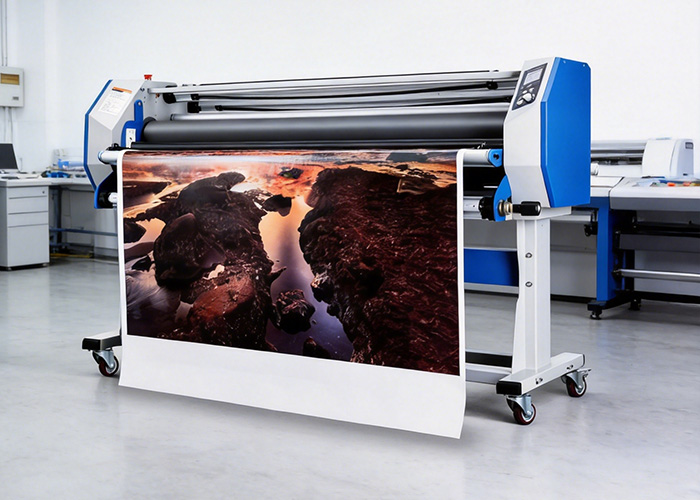
Key System Features of MEFU Laminators:
1. Pneumatic pressure control system
MEFU machines replace traditional spring-based pressure mechanisms with an air-pressure-driven system. This allows operators to fine-tune lamination force with higher consistency across the entire working width, reducing the risk of uneven pressure zones.
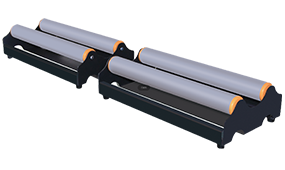
2. Industrial silicone roller architecture
The machines are equipped with high-elasticity silicone rollers that maintain stable surface contact under continuous load. This design helps reduce micro-deformation and ensures uniform lamination across different material thicknesses.
3. Heavy-duty roll-to-roll workflow design
MEFU laminators support continuous feeding, lamination, and rewinding in a synchronized system. This structure minimizes tension fluctuations during long production runs and improves repeatability for high-volume signage jobs.
4. Wide-format compatibility (up to 1600mm+ class systems)
Designed for large-format production, MEFU systems can handle vehicle wraps, billboard materials, window films, and flexible banner substrates commonly used in commercial signage.
5. Operator-focused industrial control system
Many MEFU models integrate foot pedal control, adjustable pressure settings, and safety protection mechanisms, enabling a single operator to manage continuous lamination with improved workflow efficiency.
Overall, MEFU’s engineering approach focuses on stabilizing the entire lamination process rather than only increasing speed, which is critical for reducing defects caused by uneven pressure laminators.
Selection Guide – Evaluating a Signage Laminator Machine
When selecting a signage laminator machine for professional production, the following technical factors should be prioritized:
- Pneumatic vs. mechanical pressure system (pneumatic preferred for consistency)
- Roll-to-roll continuous processing capability
- Silicone or high-elasticity roller material
- Stable web tension control during long production cycles
- Wide-format compatibility for signage and vehicle wrap applications
These factors directly influence long-term output consistency and defect reduction.


 Premium Series