Professional Photo Lamination Solutions for Photography and Printing Businesses
Printed photos are valuable products that need long-term protection against scratches, moisture, fingerprints, and daily handling.
Whether you operate a photography studio, digital printing company, or commercial printing business, professional photo lamination can help improve the durability and appearance of printed materials.

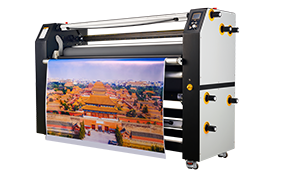
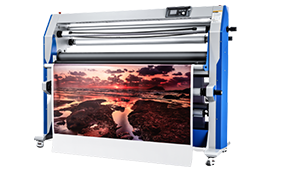
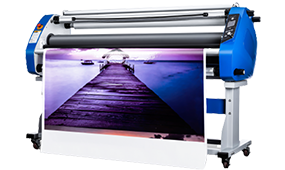
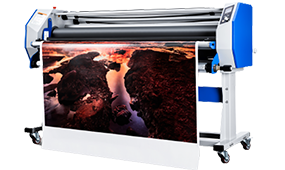
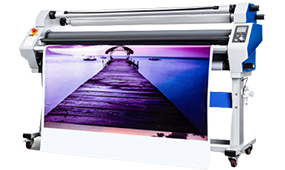
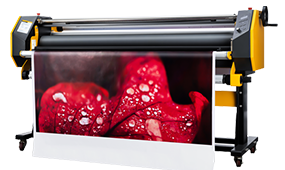
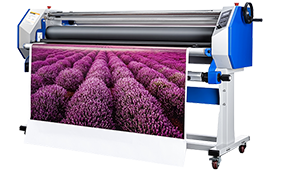
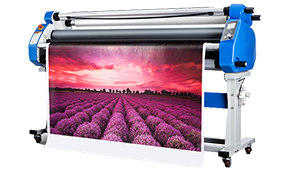
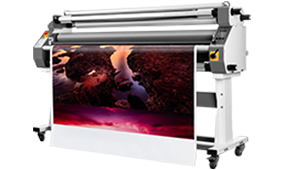
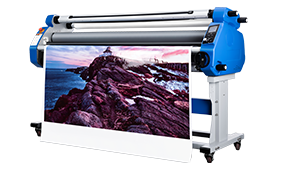
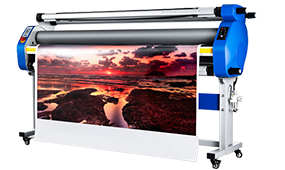
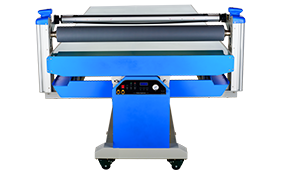
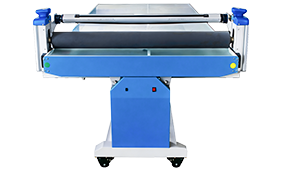
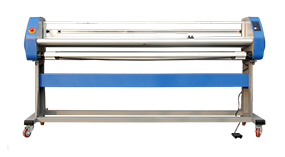
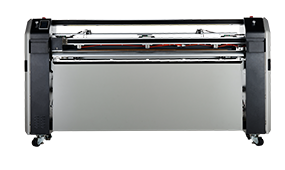
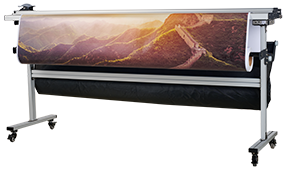
MEFU provides professional photo lamination machines and laminating solutions designed for different printing applications.
From photo studios to large-format printing companies, MEFU laminators help achieve stable film application, consistent finishing quality, and efficient production.

A suitable photo laminator can protect printed photos while enhancing color appearance, surface texture, and product value.

I got a printed photo from a photo lab machine and I don't want my photo to fade over time. Is it okay to laminate a photo without destroying the quality and color of the image?

Absolutely. Laminating a photo means adding a protective plastic film layer to the surface of the printed photo.
The main purpose of lamination is to protect the image from external damage, but it also provides additional benefits such as improving durability, enhancing appearance, and extending the usable life of printed photos.

Many people ask:

Is lamination good for photos?

Can I laminate a glossy photo?

Will lamination affect photo quality?
How do I choose the right machine for laminating photos?
This article will answer these questions and explain how to select a professional photo laminating machine for different applications.
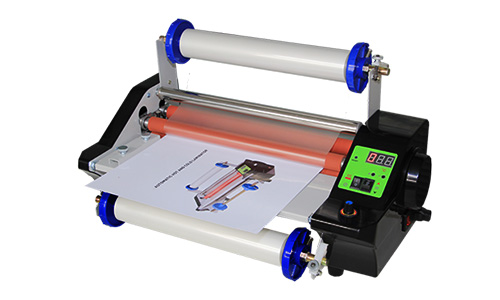
Why Should I Laminate My Photos?
The photo lamination process involves applying a transparent film onto the surface of a printed photo using a laminating machine.
After lamination, the surface of the photo becomes more resistant to environmental factors and daily wear.

For professional printing businesses, lamination is not only a protection method but also an important finishing process that improves the overall quality of printed products.

The main benefits of photo lamination include:

1. Protect Photos from Wear and Tear

A laminated photo has an additional protective layer that helps reduce damage caused by:

· Scratches

· Fingerprints

· Dust

· Moisture

· Frequent handling

This makes laminated photos suitable for long-term display and storage.

2. Improve Photo Surface Quality

Photo lamination can improve the overall appearance of printed images by providing different finishing effects.

Common options include:

· Glossy finish for brighter colors

· Matte finish for reduced reflection

· Special finishing films for unique applications

3. Increase Photo Strength

The lamination layer can improve the physical durability of photos, including:

· Better tear resistance

· Improved surface protection

· Higher resistance during transportation

4. Extend Photo Preservation Time

Professional lamination helps protect photos from environmental influences and helps maintain image quality over a longer period.

A properly laminated photo can reduce fading, yellowing, and surface damage.

5. Enhance Color and Visual Effects

Lamination can improve the appearance of printed images by making colors appear richer and more vivid.

For photography studios and printing companies, this creates higher-value finished products for customers.

Professional Photo Lamination Applications

While photo lamination is commonly used for protecting personal photos, professional businesses use lamination machines for many commercial applications.

Typical applications include:

· Photography studio products

· Digital printing materials

· Photo posters

· Exhibition graphics

· Advertising displays

· Decorative printing products

· Retail signage

Choosing the right photo laminator helps businesses maintain consistent finishing quality across different materials.
Will Lamination Damage the Quality and Image Quality of Photos?
A common concern is whether lamination will reduce photo quality or affect the original colors.

The answer is no. When the correct lamination film and machine settings are used, professional photo lamination can actually improve photo protection and appearance.

The working principle of photo lamination is to place the photo between the laminating film layers and apply controlled pressure through the rollers of the laminating machine.

The lamination process depends on several factors:

· Temperature control

· Laminating pressure

· Machine speed

· Film quality

· Adhesive performance

Proper control of these factors helps prevent common problems such as:

· Air bubbles

· Weak film adhesion

· Uneven finishing

· Wrinkles during lamination
How Does a Professional Photo Laminator Maintain Image Quality?
A high-quality photo laminating machine provides precise control over the lamination process.

Important factors include:

Stable Temperature Control

For hot lamination applications, accurate temperature control helps ensure proper bonding between the film and printed material.

Consistent Pressure System

Balanced roller pressure helps achieve smooth film application and prevents uneven results.

Precise Film Feeding

A stable feeding system reduces film deviation and improves finishing consistency.

Adjustable Laminating Speed

Different materials require different processing conditions. Adjustable speed allows operators to select suitable settings for various applications.
.jpg)
How to Choose the Right Photo Laminator?
Selecting the correct photo lamination machine depends on your production requirements, material size, and application.

Before purchasing equipment, consider the following factors:

1. Understand Your Photo Size and Working Width

Different applications require different machine sizes.

For example:
Application
|
Recommended Equipment
|
Small photo printing
|
Compact photo laminator
|
Photo studio production
|
A3/A2 laminator
|
Digital printing business
|
Roll laminator
|
Large graphics production
|
Wide format laminator
|
2. Choose Between Cold and Hot Lamination

Cold Lamination

Cold lamination applies film using pressure without heating.

Advantages:

· Suitable for heat-sensitive materials

· Simple operation

· Lower energy consumption

· Flexible application range

Cold lamination is commonly used for:

· Inkjet prints

· Digital graphics

· Photo materials

· Hot Lamination

Hot lamination uses heat-activated film combined with pressure.

Advantages:

· Strong film adhesion

· Excellent transparency

· Good waterproof protection

· Suitable for professional finishing

Hot lamination is widely used for:

· Commercial printing

· Advertising graphics

· Display materials

3. Consider Production Volume

Different businesses require different machine structures.

Beginners

Suitable equipment:

· Simple operation

· Easy adjustment

· Technical support from manufacturers

· Intermediate Users

Need:

· Higher production efficiency

· More stable performance

· Flexible applications

· Advanced Printing Businesses

Usually require:

· Automatic control systems

· Higher working speed

· Continuous production capability
Choose an Experienced Photo Laminator Manufacturer
A professional laminator manufacturer can provide not only equipment but also technical support for different applications.
Modern laminating machines may include advanced technologies such as:
Servo drive systems
· PLC control
· Precise temperature adjustment
· Constant tension control
· Automatic alignment systems
These technologies help improve lamination quality and production efficiency.
MEFU Pro Series laminators adopt advanced control technologies to achieve stable operation, accurate adjustment, and reliable finishing performance for professional printing applications.
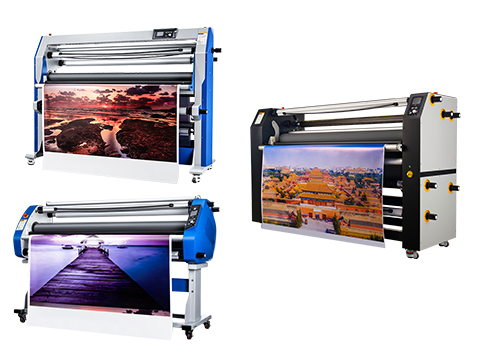 Key Features of Professional Photo Lamination Equipment
A reliable photo laminator should provide stable performance throughout the production process.
Important features include:
Key Features of Professional Photo Lamination Equipment
A reliable photo laminator should provide stable performance throughout the production process.
Important features include:
Feature
|
Benefit
|
Adjustable pressure system
|
Ensures smooth film bonding
|
Temperature control
|
Supports stable hot lamination
|
Precision rollers
|
Improves finishing consistency
|
Multiple film compatibility
|
Supports different applications
|
Adjustable speed
|
Matches different production requirements
|
Request a Photo Lamination Machine Recommendation


Choosing the right laminator depends on your application, material type, production volume, and working requirements.

MEFU provides professional lamination solutions based on your specific needs, including:

· Material size

· Production capacity

· Lamination method

· Finishing requirements

Contact us at info@mefu.cn or visit www.mefu.cn to discuss your photo lamination machine requirements and receive a suitable equipment recommendation.


 Premium Series