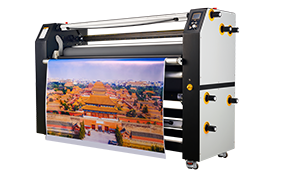
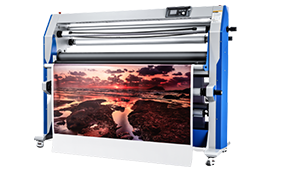
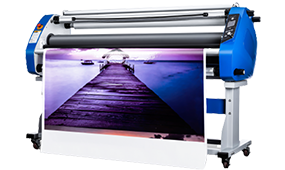
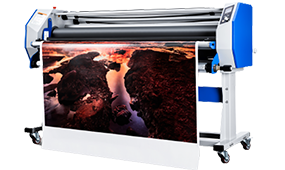
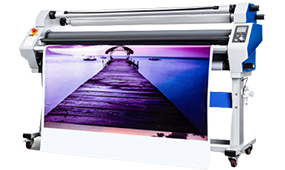
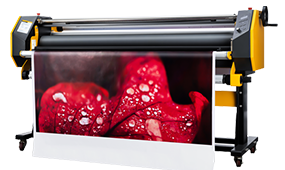
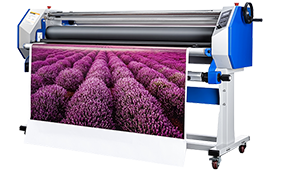
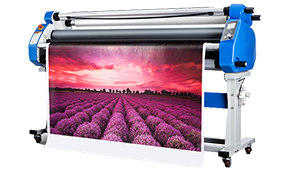
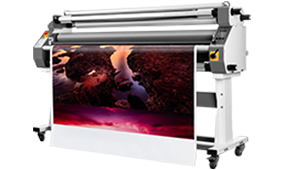
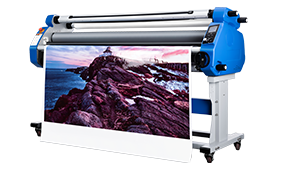
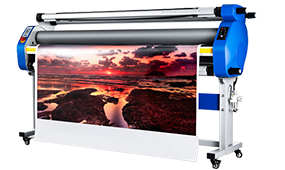
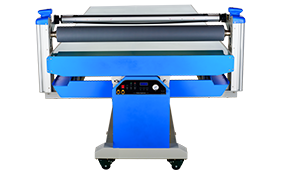
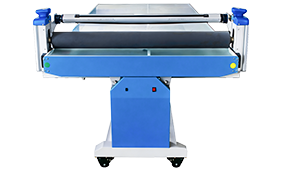
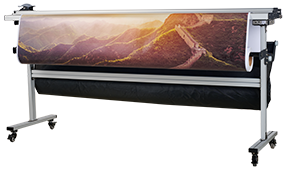
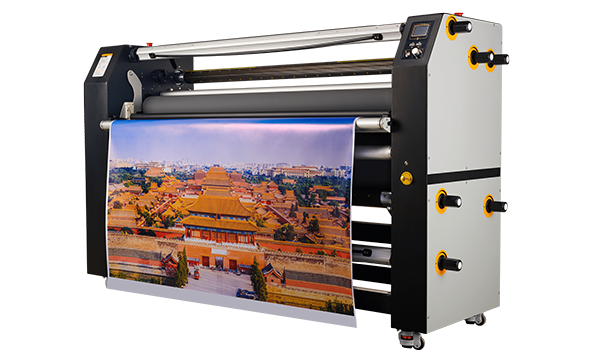
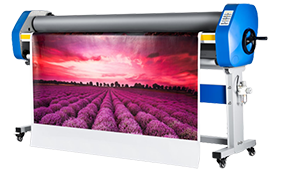
To accurately and efficiently handle oversized media, finding a suitable laminator to replace traditional roll-to-roll equipment is crucial. In the large-format printing industry, handling signs, flexible backing boards, or heavy-duty sheets that exceed standard sizes often leads to tension loss and alignment deviations. MEFU Flatbed Finishing Solution addresses these challenges with a data-driven, ergonomic approach.
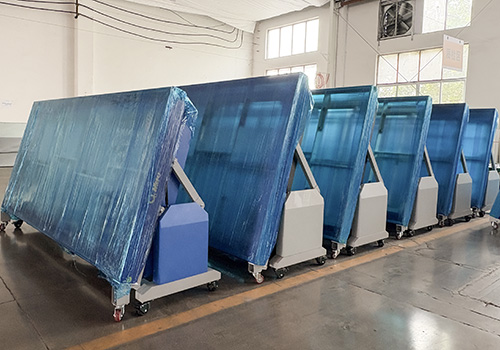
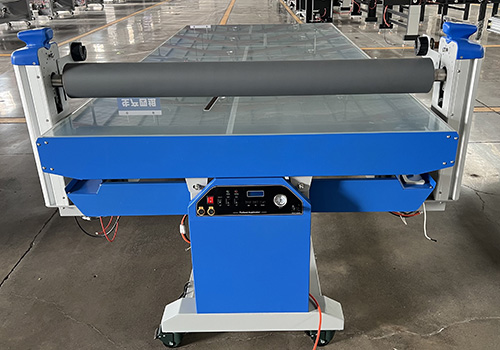
In actual industrial operations of large format mounting, the tiled table is not a fancy design, but rather a solution to the physical problems of torque and "operational blind spots."
The following explains why it is crucial for handling large-format materials from a mechanical engineering and practical production efficiency perspective:
1. Eliminating the "Reach Issue" Large-format mounting machines (such as 1.7m or 2.1m wide machines) have very wide tables. If the table is always level:
Physical Limits: The operator's arm length is limited, making it difficult to reach the center position without climbing the table.
Tilt Advantage: When the table can be tilted, material that was originally at the far end is "dropped" into the operator's reach. This not only ensures alignment accuracy but also avoids back fatigue caused by excessive stretching of the operator's body.
2. Reducing the Risk of Material Creasing Large format rigid sheets (such as 3m...) Long aluminum composite panels or glass sheets are prone to physical displacement during horizontal movement if subjected to uneven force.
Physical Logic: A tilted table alters the normal force distribution of the material on the table. When loading heavy or extra-long sheets, the tilt angle allows operators to use stops or support edges at the bottom of the table (similar to the auxiliary function of a side tray) for physical restraint, ensuring that sheets several meters long are physically parallel to the pressure rollers before entering them.
3. Optimizing ROI of Production Space
For many B2B machining centers, space is money.
Floor Area: A 1.7x3.7m horizontal workbench occupies a huge area.
Tilting Logic: Many tilting tables can be stored almost vertically when not in operation, or tilted to reduce the space required for operator movement when handling specific tasks, thereby improving output per unit area.
4. Safety and Material Protection
Horizontal handling of glass or expensive, large-format acrylic sheets is highly susceptible to cracking or scratching.
Tilted Loading: This allows materials to "slide" or "nap" into the work area at a more ergonomic angle, reducing physical damage caused by vertical lifting or horizontal pushing.
Constant Pressure Technology: Eliminating Bubbles in Large-Format Bonding
The core of "oversized" success lies in the pressure distribution across the 130mm Silicon Roller. MEFU utilizes a specialized pneumatic balancing system to handle everything from thin vinyl to 50mm thick Foam Boards:
Uniform Force Distribution: Unlike low-end equipment with unilateral pressure, MEFU’s high-precision cylinders ensure a pressure error of less than 1% across the entire width.
60°C Heat-Assist: By integrating a heating element (up to 60°C), the roller enhances adhesive activity, ensuring a permanent bond and zero "silvering" (tiny bubbles), even in cold workshop environments.
Key Hardware Parameters
LED Backlight System: Integrated under the 12mm scratch-resistant glass, allowing operators to spot dust or alignment errors in real-time, especially when working with backlit or transparent media.
130mm Silicon Roller: A larger diameter provides a greater contact area, reducing the risk of "wrinkling" on thin, flexible substrates.
Four-Cylinder Drive (B4 Series): Provides the highest stability for high-intensity, 24/7 industrial operations.
 Complementary Solutions: Maximize Your Finishing Workflow
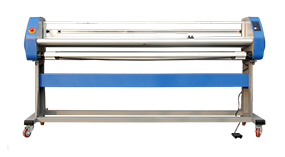
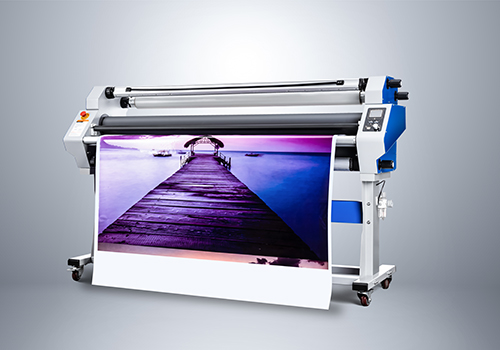
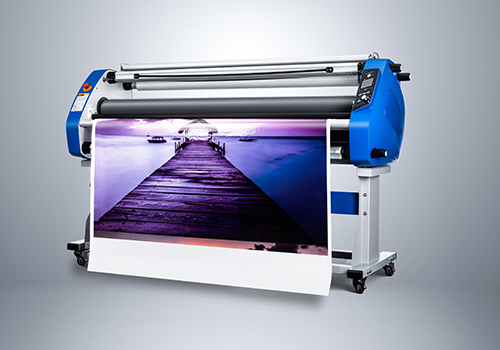
MF1700-M1 PRO (Roll-to-Roll): The perfect partner for high-speed vinyl lamination before final mounting on the Flatbed Table.
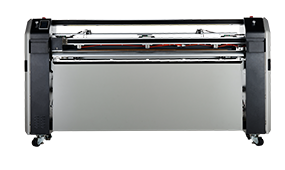
MF1700-C3 (High Speed Large Format Laminatorsr): Eliminates the bottleneck of manual hand-cutting, providing surgical precision for finished banners.


 Premium Series